
🔧 DIY Car Savings Club – Tool Hub
Your all-in-one DIY car maintenance helpers
Welcome to your DIY Car Savings Club Tool Hub! Here you’ll find car maintenance easier, faster, and more affordable to use our interactive tools to:
- 🔧 Estimate your yearly savings with our Cost Calculator
- 🛠️ Find the best tools for oil changes, brakes, batteries, and more
- 🧠 Test your knowledge with a fun DIY Car Quiz
Click on each tool below and get started — all designed to help you save money and gain confidence as a DIY car owner!
DIY Car Maintenance Cost Calculator
🧰 Best DIY Tool Finder
Select a DIY task below to see recommended tools and info:
🧠 DIY Car Maintenance Quiz
Test your DIY car knowledge! Select the correct answer for each question:
- How often should you change your engine oil?
- What tool is recommended to remove brake calipers?
- What should you disconnect before replacing a car battery?
- Which fluid is essential for hydraulic brakes?
- How often should you check tire pressure?
- What tool is needed to remove an oil filter?
- What is the recommended first step when changing brake pads?
Recommended Oil Filter
Brake Pads Set
Digital Tire Gauge
OBD2 Scanner
Tire Tread Gauge
Engine Air Filter
Jumper Cables
Engine Coolant
Car Battery Tester
Tread Depth Tool
Windshield Wipers
Transmission Fluid
Spark Plugs
Oil Funnel
Full Synthetic Oil
Fluid Type & Capacity
Torque Specifications
DIY Car Repair Guide
Repair Video Tutorials
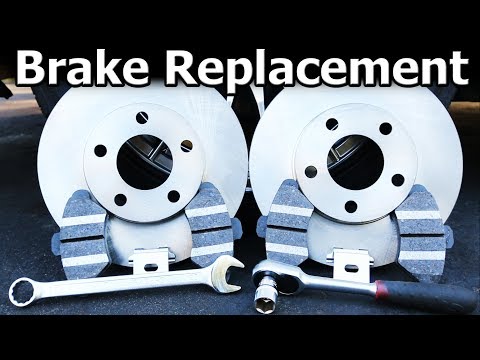
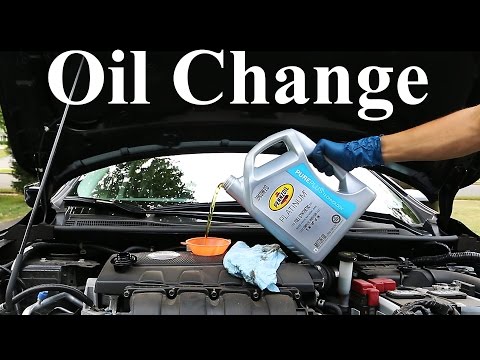
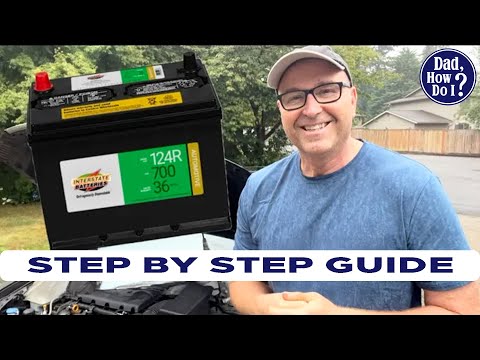
DIY Auto Repair Starter Guide 🚗🔧
Learn the most common car maintenance jobs you can safely do at home — even if you’ve never picked up a wrench before. This beginner-friendly guide helps you avoid overpriced repairs and unnecessary shop visits.
- ✔ Tools every DIY car owner should own
- ✔ Step-by-step maintenance checklist
- ✔ What mechanics don’t always tell you
- ✔ Mistakes that cost beginners money
💡 Average users save $500–$1,500/year by doing basic maintenance themselves.
Instant download • No subscriptions • Beginner friendly
General Maintenance Advice: Diagnostic & Troubleshooting
🔴 Critical Troubleshooting
- Use an OBD‑II scanner wisely Start with reading DTC codes—but remember, a code isn’t a diagnosis. Use it to guide targeted tests. For example, a P0131 O₂ sensor code may stem from wiring issues or a lean condition—not just a bad sensor :contentReference[oaicite:1]{index=1}. Access OEM flowcharts via databases like ALLDATA DIY for verified repair paths
- Battery, starter & ignition tests For no-crank or click conditions, test battery voltage (~12.6 V at rest), clean terminals, and check starter solenoid. Dim interior lights or whirring noises often point to starter or ignition faults
- Cooling system deep inspection Address overheating by checking coolant level, radiator fan operation, hoses, cap, water pump, and thermostat. Use OBD live sensor data to verify coolant temp readings, and inspect radiator fins for debris
🟡 Important Diagnostics
- Test electrical & sensor circuits With a multimeter, check sensor voltages/resistance (e.g., coolant-temp sensor should drop resistance as engine warms) and ensure alternator output stays 13.7–14.7 V when running
- Observe sounds, smells & performance Identify symptom patterns: knocking could imply ignition timing or fuel mix issues; squealing belts point to wear or tension fault; hissing hints at vacuum or cooling leaks; rotten-egg odors suggest catalytic converter problems
- Check fuel & electrical systems If rough idle or low fuel economy occurs, inspect fuel pressure, filter, and injectors. Inspect fuses, relays, and alternator output if dashboard lights flicker or behave erratically
🟢 Useful Preventive Tips
- Research manufacturer-specific issues Visit forums, repair manual databases, and model-specific blogs to learn common failure modes before troubleshooting begins
- Keep detailed diagnostic records Log trouble codes, sensor data, test results, and component specs. Comparing to factory values helps track intermittent issues more effectively
- Perform regular inspections Schedule routine checks of fluid levels, belts, hoses, electrical connections, and radiator cleanliness. These basic steps help catch faults before they escalate
🔧 DIY Car Repair Chatbox
Type your car-related question below to get DIY guidance and tool suggestions.
👋 Welcome! Ask about batteries, brakes, oil changes, warning lights, or basic maintenance.
🔧 DIY Car Repair Chatbox
Type your car-related question below to get DIY guidance and tool suggestions.
👋 Welcome! Ask about batteries, brakes, oil changes, warning lights, or basic maintenance.
AI Makes Diagnosing Car Problems Easier
One of the biggest challenges in DIY auto repair is figuring out what’s wrong. A strange noise, a warning light, or rough engine behavior could mean ten different things. Traditionally, you would look up symptoms online, ask in car forums, or watch dozens of videos hoping someone else had the exact same issue.
AI changes that. Today’s AI tools allow you to describe a problem—such as a clicking sound when turning the wheel, rough idling, or a burning smell—and instantly generate possible causes, severity levels, and repair suggestions. Instead of spending hours searching, AI helps narrow down the issue in seconds.
Some tools even analyze:
-
Sound recordings of engine noise
-
Photos of leaks or broken parts
-
Error codes from inexpensive OBD2 scanners
This gives DIY mechanics a level of diagnostic power that used to be limited to professional shops.
AI Helps You Learn Repairs Step-by-Step
You no longer need to be an expert to perform a repair safely. AI can generate:
-
Step-by-step instructions
-
Tool lists
-
Safety warnings
-
Torque specs
-
Troubleshooting alternatives
For example, if you type “How do I replace a serpentine belt on a 2015 Toyota Camry?” an AI tool can walk you through the entire process like a virtual mechanic standing beside you.
This is especially helpful for beginners who may not know where to start or what tools are required.
Saving Money by Reducing Unnecessary Repairs
AI helps you avoid guessing, which means you're less likely to replace parts that were not actually the problem. By helping you pinpoint the issue more accurately, AI can save you from spending hundreds on unnecessary components.
AI can also recommend:
-
Cheaper aftermarket options
-
Which parts should always be OEM
-
When a repair is worth doing vs. when it’s better to see a mechanic
This guidance helps DIYers save money while still doing repairs correctly.
Better Maintenance Planning With AI
AI can remind you when:
-
Oil changes are due
-
Filters need replacing
-
Brake pads are wearing down
-
Tires should be rotated
-
Spark plugs need to be checked
Some AI tools analyze your driving habits and tailor maintenance schedules specifically for your vehicle. This means fewer breakdowns and longer vehicle life—something every DIY mechanic appreciates.
AI Makes Auto Repair More Accessible
Not everyone has mechanical experience, but AI gives beginners the confidence to try repairs they wouldn’t attempt otherwise. With clear instructions and troubleshooting support, more people can safely perform maintenance tasks such as:
-
Battery replacements
-
Wiper blade changes
-
Air filter swaps
-
Brake inspections
-
Basic engine repairs
AI turns complicated steps into simple instructions, making auto repair more approachable than ever.
Final Thoughts
AI isn’t replacing mechanics—it’s empowering everyday drivers. Whether you're doing routine maintenance or fixing something more advanced, AI helps you diagnose problems faster, find accurate repair steps, choose the right parts, and avoid unnecessary expenses.
For DIY auto repair enthusiasts, AI is becoming the ultimate tool—a 24/7 virtual mechanic that guides you through every step.


No comments:
Post a Comment